Movies & TV
Horror Movie and Series Reactions
First watches and episode reactions build tension over a long source. The edit needs to preserve enough setup for each scare without turning into uninterrupted source playback.
Horror Reaction · AI editor
Horror movies, scary games, analog horror and unsettling internet clips all depend on the same thing: the setup, the scare and the creator's response must stay connected. Vatt aligns the source, face-cam and commentary, surfaces candidate peaks and returns an editable first cut.
Horror Reaction is a subject category rather than a single source format. A creator can react to a feature film, a game, analog horror, a ghost story or a short unsettling clip. What connects the category is a visible or audible response to specific source moments, followed by commentary, recovery, prediction or explanation.
Movies & TV
First watches and episode reactions build tension over a long source. The edit needs to preserve enough setup for each scare without turning into uninterrupted source playback.
Games
Gameplay, face-cam, microphone and game audio peak on different tracks. Scares matter, but choices, anticipation and the creator's recovery often carry the larger story.
Analog Horror
Dense clues, sudden image changes and recurring lore invite pauses and rewinds. The creator's interpretation must remain attached to the frame that prompted it.
Scary Clips
Ghost footage, unsettling animation and scary compilations move quickly between clips. Editors need a clean way to retain context while removing repetitive setup.
Trailers
Short sources create immediate responses, predictions and frame-by-frame inspection. Fast turnaround matters, but the commentary still needs room to lead the upload.
Reaction First
A horror review, story narration or uncut playthrough is not automatically a Horror Reaction. This guide covers videos built around a creator responding to source moments.
Twelve verified public examples spanning scary clips, found-footage horror, horror films, paranormal stories, game-horror commentary and trailer reactions.
 Scary clipsScary Videos That Made Me Scream Like a B*TCH!! | Kenji ReactsKenji + · Scary video reaction
 Found footageMHA Voice Actors React to FOUND FOOTAGE HORROR...PixelDrink · Found-footage horror reaction
 Trailer reactionDon't Move Trailer Reaction | This Giant Spider Horror Looks TERRIFYING!Magic Flicks · Horror trailer reaction
 Classic horror1:13:47Well this was a whole different level!!! | The Exorcist movie reaction | First time watchingBadd Medicine · 51K views · First-time movie reaction
 Horror film1:10:29EVIL DEAD RISE (2023) Movie Reaction! | First Time Watch!CinePals · 63K views · Movie reaction
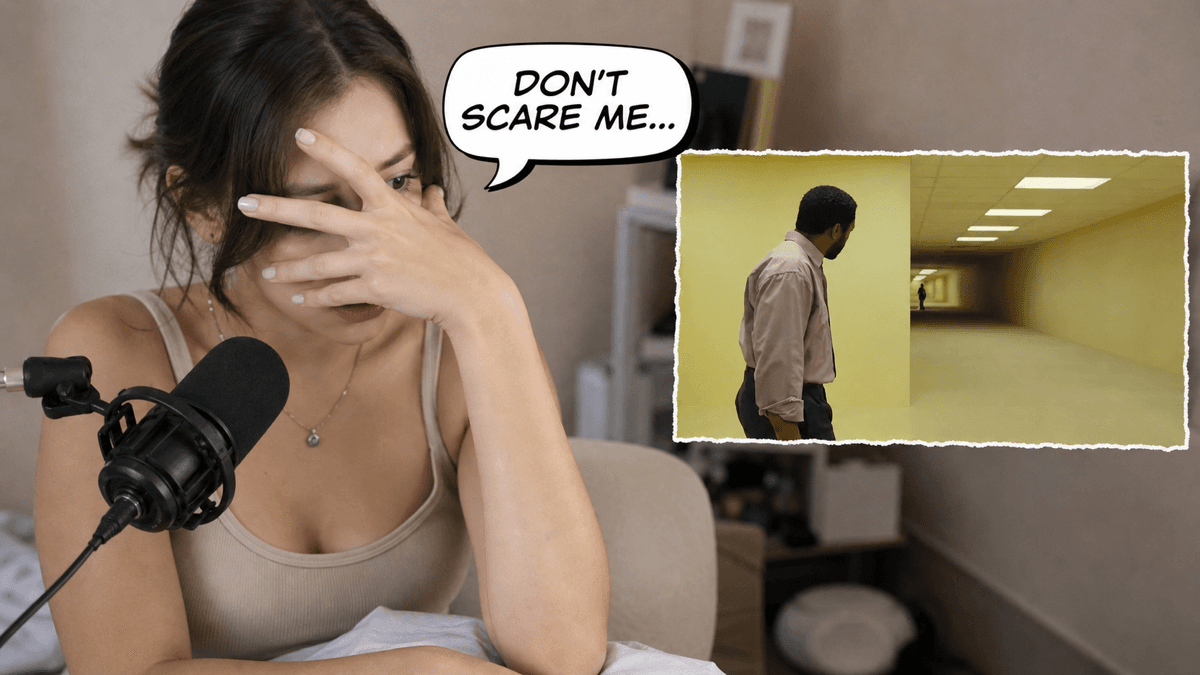
 Backrooms1:28:18BACKROOMS (2026) MOVIE REACTION – THIS PLACE SHOULD NOT EXIST!The Media Knights · 447K views · First-time movie reaction
 Movie42:25First Time Watching 28 YEARS LATERNatalie Gold Reacts · 20K views · Horror sequel reaction
 Group reaction9:47Asians React to Short Horror Film DONT LOOK AWAY!ENW · 4K views · Short horror film
 Resident Evil5:35This Resident Evil Trailer Might Be Better Than All The Other Movies!Zilla Nation · Horror trailer reaction
 Internet horror11:11An 8FT Old Lady FOLLOWED Him HomeZilla Nation · Horror story reaction
 Game horror1,000,000 Villagers Become VERITY | MINECRAFT HORROR MOD VERITY REACTION!!!Steven Z KILLER · Minecraft horror reaction
 Horror loreFNAF Is Way More Disturbing Than You Think...Steven Z KILLER · FNAF reaction
Metadata reflects each video's public source page at the time of curation. TikTok engagement totals are not reproduced here.
Three established approaches to the category: personality-led horror gaming, long-form scary-game storytelling and first-time horror-film reactions.

38.8M subscribers
Markiplier moves from short scary-game collections to full horror series. Vatt keeps each scare attached to the setup and recovery while leaving the session structure editable.
View channel profile
31.2M subscribers
jacksepticeye's long horror sessions combine exploration, commentary and high-intensity reactions. Vatt helps editors review candidate moments without flattening the playthrough into a jumpscare reel.
View channel profile
860K subscribers
CinePals brings a first-watch format to horror films and genre releases. Vatt aligns the feature, cameras and discussion so the full emotional arc remains available on the timeline.
View channel profileThey can cover the same title, but Horror Reaction is organized around the creator responding to source moments rather than only summarizing, reviewing or playing through them.
A visible or audible reaction anchored to specific scares and reveals
A review, essay or gameplay session can continue without a reaction layer
Anticipation, scare, recovery, prediction and explanation
Plot discussion, critique or game progression sets the structure
Source moments repeatedly trigger the creator's response
Footage may illustrate a separate argument or remain largely continuous
Preserve setup while keeping the creator and commentary in front
Preserve the review thesis or the continuity of play
Films, games, analog horror, trailers and scary internet clips
The same sources, but without a reaction-led structure
Indexes source, camera, speech and reaction signals for review
Vatt does not decide whether a work is frightening or critically successful
Vatt helps assemble reaction footage. The creator remains responsible for source rights, context, content warnings and the final editorial decision.
Horror edits only work when the audience understands what the creator saw, how they reacted and what they said next. Vatt keeps those layers together while every cut remains adjustable.
Candidate reaction peaks remain attached to the source context before and after them, so editors can decide how much tension the moment needs.
Source, face-cam, microphone and optional co-host feeds remain synchronized through trims, replays and layout changes.
Speech, source audio and visible reaction signals create an index for reviewing a feature-length watch or extended horror-game session.
Editors can extend the laugh, explanation or prediction after a peak instead of reducing the video to disconnected jumpscares.
Suggested assemblies can shorten source-heavy stretches while the creator controls timing, context and the final amount retained.
Build the full reaction first, then reshape reviewed moments for vertical clips without abandoning the editable project.
Feature-length first watches where tension, reveals and the discussion afterward form one emotional arc.
Long gameplay sessions with face-cam, microphone, game audio and repeated anticipation-to-scare cycles.
Lore-heavy web series where small visual details lead to pauses, rewinds and theory-building commentary.
Internet compilations, paranormal footage and short horror films that move rapidly between distinct source clips.
A jumpscare lasts a second; the tension and recovery around it make the reaction worth watching. Vatt indexes the whole session so editors can review the complete beat before deciding what stays.
Add the film, game, web episode or clip with every creator camera and audio track. Vatt keeps the session aligned on one editable timeline.
Speech, sound and visible reaction signals surface candidate moments while the anticipation and commentary around them remain available for review.
Restore setup, move replays, adjust layouts and balance source audio against commentary, then export the full reaction and selected vertical clips from the same project.
A creator visibly or audibly responds to horror source material and builds commentary around those moments. The source can be a movie, series, game, trailer, analog-horror episode or scary internet clip.
No. They can overlap, but a reaction keeps the creator's real-time response connected to source moments. A review can stand on analysis recorded after the watch.
They use the same reaction workflow: synchronized source, camera and audio tracks on an editable timeline. The creator still chooses the story, layouts and final cut.
Vatt does not automatically decide which scare should stay. It can surface candidate moments from speech, sound and visible reaction signals, but the editor decides what is meaningful, how much setup to preserve and what belongs in the final video.
You can review moments in the full project, then reframe selected sections for vertical or other social formats while retaining control of timing and context.
No. Creators remain responsible for source rights, platform rules, age suitability, content warnings and publication decisions.
Bring the source, face-cam and commentary into one editable workflow, review the moments that changed the watch and decide exactly how the final horror reaction unfolds.