Challenge
Straight-Face Challenge
One creator, a queue of funny clips, one rule: no laughing. Fails become the highlight reel.

Try not to laugh · AI editor
Twenty minutes of raw challenge footage, one goal: catch every moment someone almost broke. Vatt marks every smirk, mouth-cover and look-away — then cuts the compilation for you.
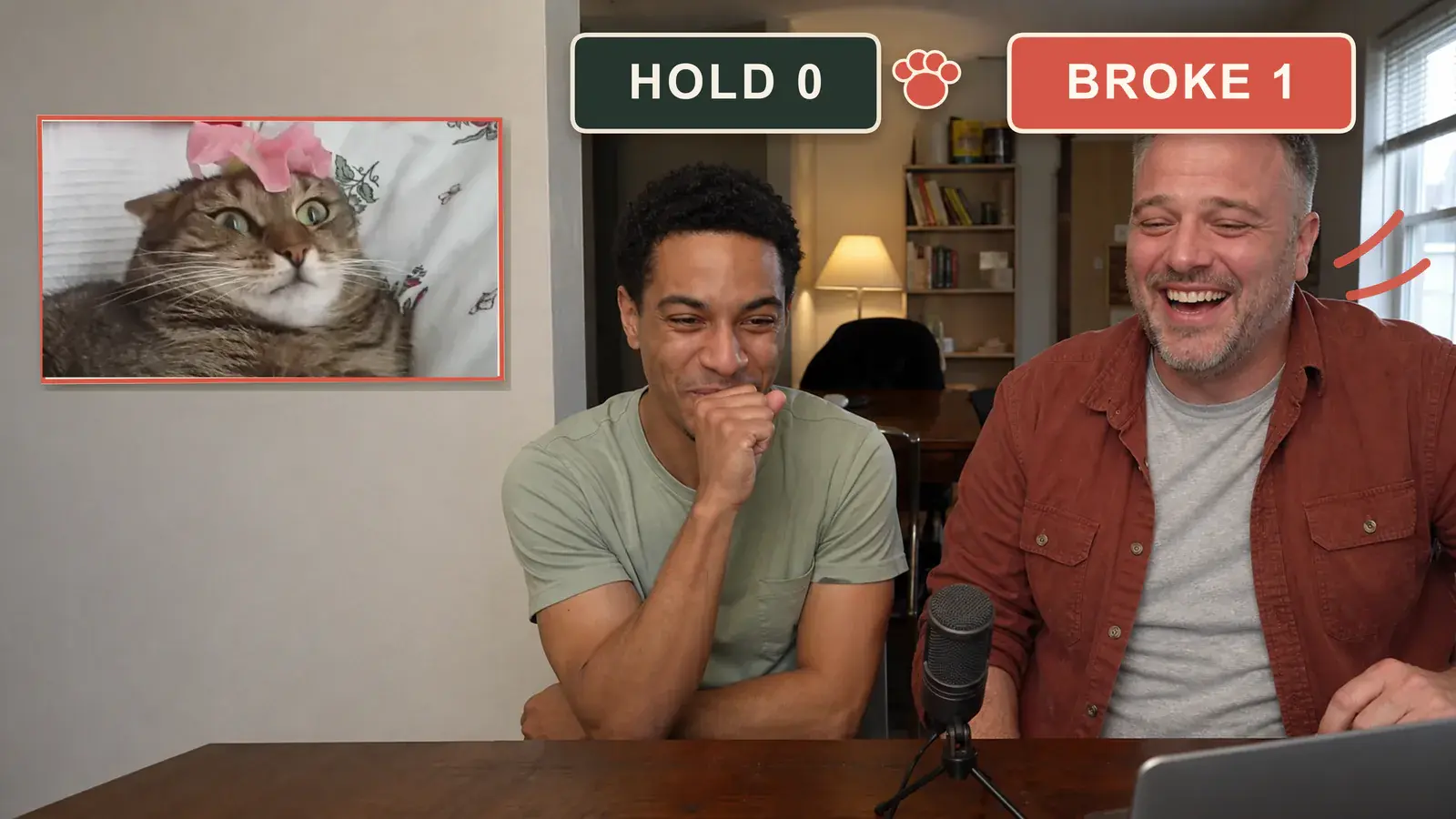
A try not to laugh — or TNTL — video is a challenge format where creators watch, read or perform something funny and race to keep a straight face. The camera lives on their reaction: the smirk that leaks out, the hand clapped over the mouth, the moment they finally lose it. The genre spans solo shorts, multi-cam sketch teams and reactor-on-reactor videos, and it's one of the highest-search reaction formats on YouTube.
Challenge
One creator, a queue of funny clips, one rule: no laughing. Fails become the highlight reel.
Compilation
A 20–30 minute stack of clips billed as the world's hardest. Watch time driven by density.
Reactor
A reaction channel plays another creator's TNTL and does its own. Two layers of breaks per second.
Long-Form
Episodes #001, #002 on into the hundreds — 15–25 minutes, predictable slot, subscribers show up for the streak.
Shorts
Sixty seconds, one or two peaks, face-centered 9:16. Same source recording, a different edit shape.
The Try Not to Laugh reaction videos creators keep studying — the cuts, the reveals, the moments the host almost breaks.
 Group challenge10:11Try Not To Laugh Challenge #19Markiplier · 19M views · 6 yrs ago
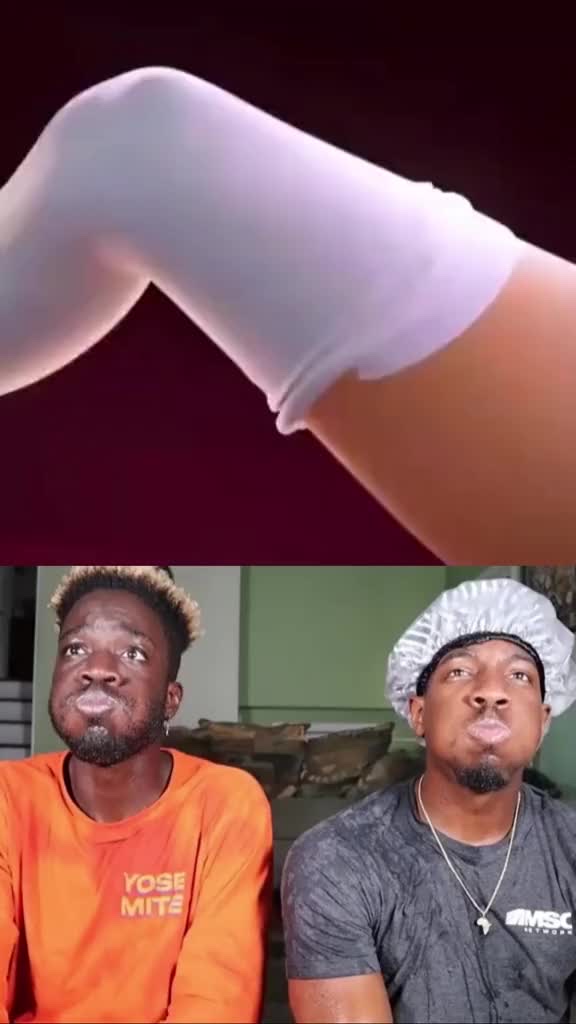 Two-person challengeTikTokTry Not to Laugh — Part 49itsdenzelnowashington · TikTok challenge
 Community challenge35:08I Did A Try Not To Laugh With My Viewers...Joe Bartolozzi · 5.1M views · Viewer submissions
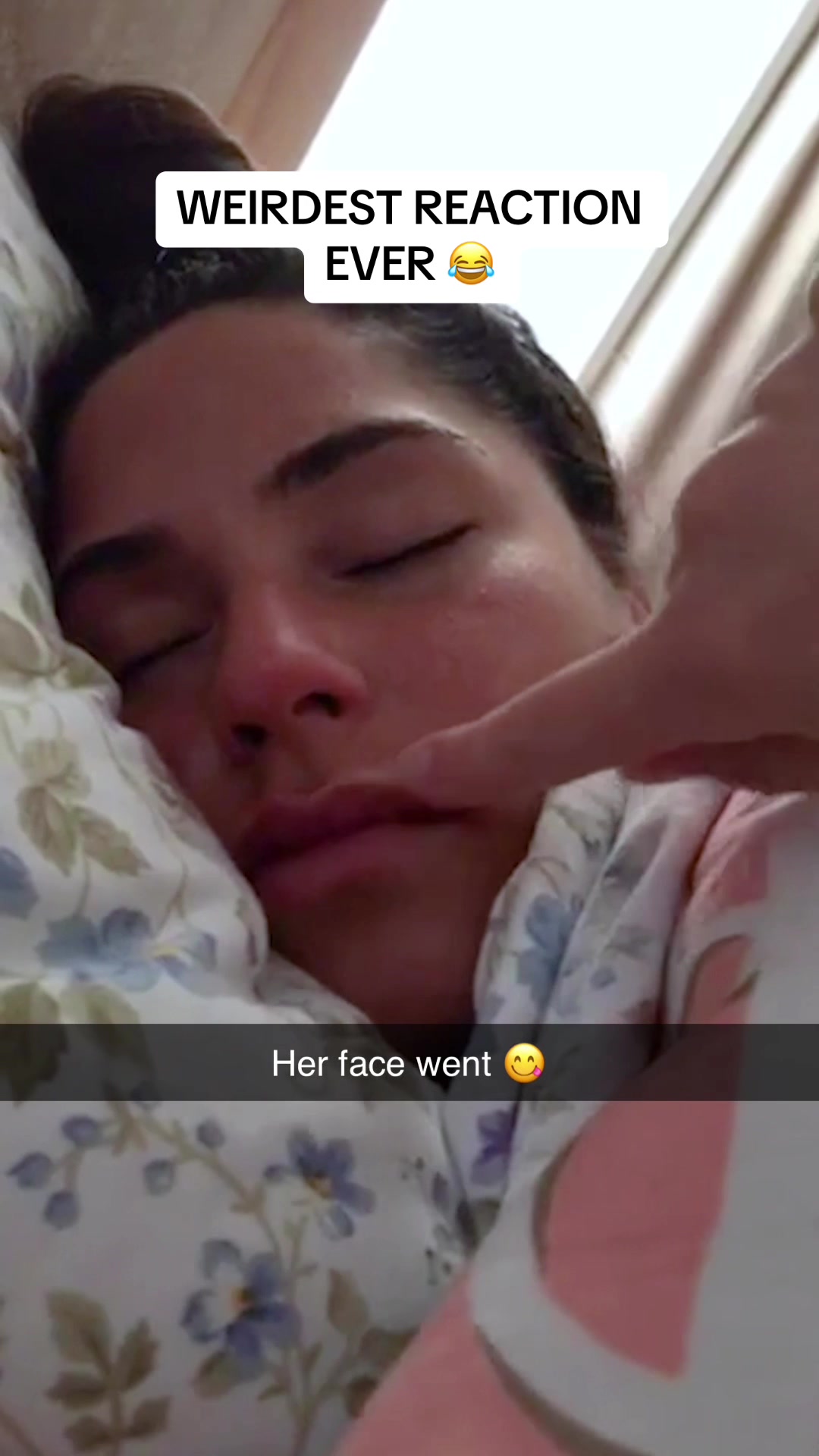 Surprise breakTikTokThat Jumpscare ReactionVOXI · TikTok reaction
 Solo reactor19:46The Slap Chop Guy Did What!? | Funniest Home Videosjacksepticeye · 11.5M views · 6 yrs ago
 Stand-up challengeTikTokBill Burr Stand-Up ReactionThe Br3ak Room · TikTok stand-up reaction
![Video thumbnail: TIKTOKS that have me in TEARS [Try Not To Laugh TikTok 7]](https://i.ytimg.com/vi/j3BHEt-ugwA/hqdefault.jpg) Solo reactor24:50TIKTOKS that have me in TEARS [Try Not To Laugh TikTok 7]CoryxKenshin · 27.7M views · TikTok challenge
Solo reactor24:50TIKTOKS that have me in TEARS [Try Not To Laugh TikTok 7]CoryxKenshin · 27.7M views · TikTok challenge Group reactionTikTokBritish Blokes React to Key & PeeleAbstractReact · TikTok sketch reaction
 Numbered series19:32Try Not To Laugh Challenge #29 w/ FunhausSmosh Pit · 5.0M views · 6 yrs ago
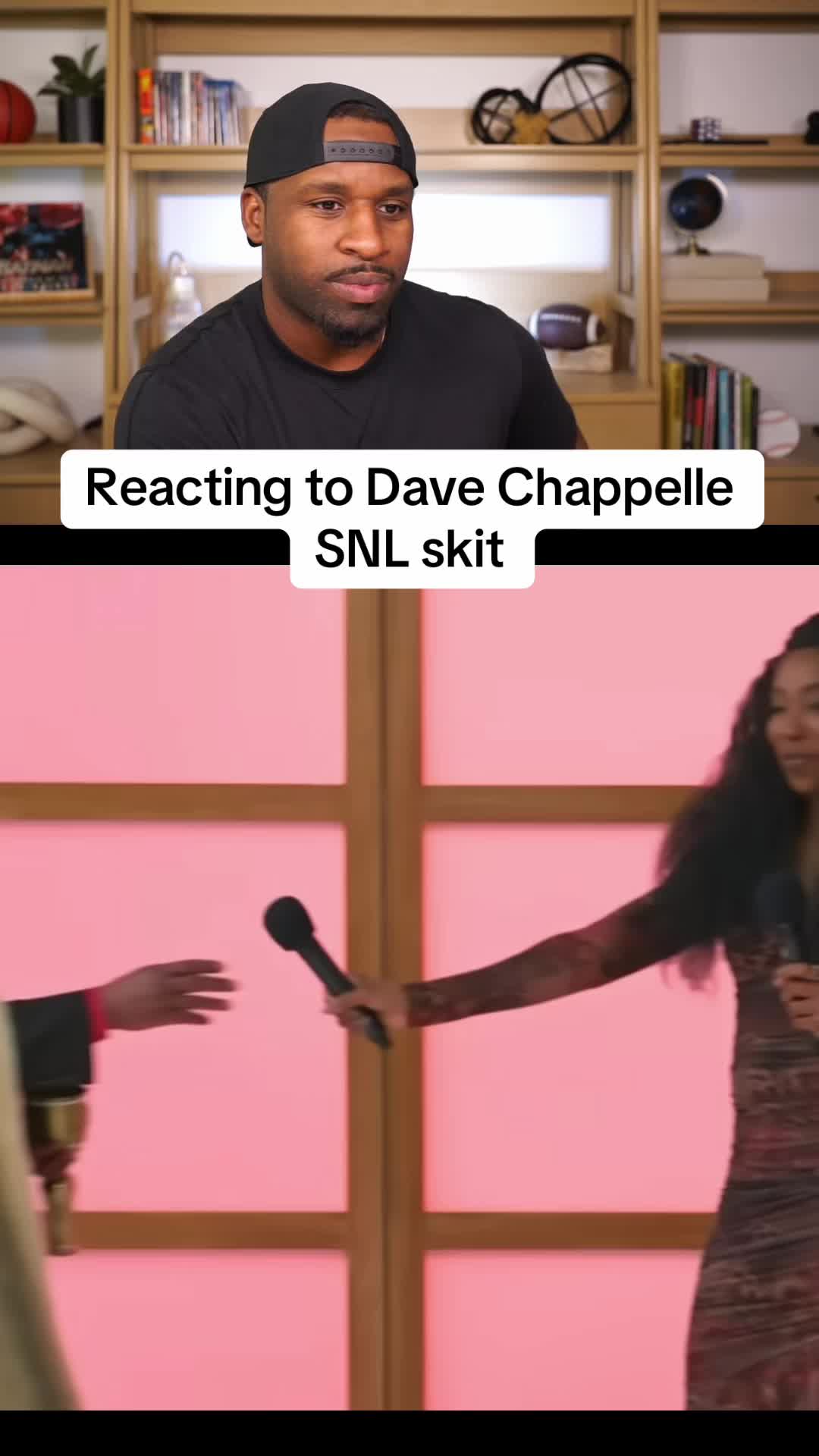 Comedy sketchTikTokReacting to Dave Chappelle’s SNL Sketchrobonreplay · TikTok sketch reaction
 Group challenge12:25YouTubers React To Try To Watch This Without Laughing or Grinning #32REACT · 7.2M views · Cast challenge
 Character breakTikTokHeated Wizardry — SNL Reactiondravenreacts · TikTok sketch reaction
 Water challenge8:20Guys... Good Luck...! | Try Not to Laugh Challenge… with Water | Rot In BedRot in bed · Verified public challenge
Metadata reflects each video's public source page at the time of curation. TikTok engagement totals are not reproduced here.
Both live under the “Try Not to Laugh” umbrella on YouTube, but only one puts you in the frame. Vatt is built for the reaction side — where the moment you almost break is the whole video.
Your real struggle not to laugh is the payoff
The funny clip itself is the payoff
Your face and voice in a webcam or PiP frame
No face — clips only, sometimes captions or a laugh track
Meme reel, animal clips or standup — plus your live take
Curated funny clips stitched back-to-back
Smirks, mouth-covers, look-aways, full laugh breaks
Punchlines, beat drops, visual gags
'Will they break?' — parasocial tension
'What's the next clip?' — variety and pacing
Moderate — depends on commentary and transformation
High — mostly reused clips with little transformation
Strong — viewers subscribe to your face and reactions
Weak — the channel is a feed, not a creator
AI finds every micro-break and builds the cut on your timeline
Not the target use case for Vatt
If your face isn't in the frame, it's a compilation — a different craft, and not what Vatt optimizes for.
Generic editors treat a two-hour TNTL recording like any other timeline. Vatt is built around the one thing that matters — the moment someone breaks — and everything below serves that.
Vatt's detection model is tuned on thousands of hours of try-not-to-laugh recordings, not generic talking-head video. It knows what a stifled smirk looks like before the laugh escapes.
Other tools give you a flat timeline of markers. Vatt scores every break and puts the biggest fail where the algorithm rewards it — not where it happened to occur in the recording.
A full challenge session becomes a rough cut in the time it takes to make coffee. What used to be an overnight assembly job is done before the studio lights cool.
Drop two, three or four camera angles in. Vatt syncs them, picks the reaction cam per beat and hands you back one cut — no manual matchframes, no drift.
The same recording exports as a 20-minute weekly episode and a 60-second vertical Short. Faces stay centered in 9:16, no manual keyframing, no second edit pass.
Every Vatt edit stays editable. Drop a peak, re-cut a beat, or undo the AI pass — Vatt builds the cut on a real timeline instead of handing you a locked finished file.
Weekly series, multi-cam setup, editor drowning in coverage. Vatt cuts the assembly overnight.
TNTL is one slot inside a bigger channel. You need it cut fast and on brand without hiring more editors.
Kids react to clean clips; siblings judge. Vatt keeps the family-safe moments and flags anything that needs a trim.
Sixty seconds vertical, posted before dinner. Vatt hands you a rough cut on your phone in minutes.
TNTL lives on the moment someone almost breaks. Vatt catches every smirk, mouth-cover and look-away, then hands you the compilation.
Add your challenge recording and the source clips you're reacting to. Sync, proxies and formats are handled for you.
Micro-expressions, stifled laughs and full breaks land as markers ordered by intensity — nothing to scrub for.
Start from a rough cut ranked by peak strength. Refine what you want, then export 9:16, 16:9 and 1:1 at once.
Any video where the tension is one person trying to keep a straight face. It can be a solo challenge, a multi-cam sketch team, a reactor watching someone else's TNTL, or a long-form compilation. If the payoff is the moment someone breaks, it's TNTL.
Record a source reel of funny clips, film yourself watching them straight-on with clear audio, and cut around the moments you break. Vatt handles the last step: it scans your recording, marks every break, and gives you a rough cut ordered by peak intensity.
Shorts run 30–60 seconds. Weekly YouTube series usually land at 15–25 minutes. Long-form 'impossible' compilations push 25–40 minutes for watch-time. Vatt exports all three from the same rough cut.
Yes. Two, three or four cameras stay in sync and Vatt picks the reaction cam automatically per beat, so a sketch team's coverage doesn't turn into a manual sync job.
That's one of the strongest cases for it. Vatt scans both layers — the original creator's reactions and yours — and stacks peaks accordingly. You get two rows of markers, one per person.
A reaction video is emotion-open — laughs, gasps, tears all count. TNTL inverts that: the creator is actively suppressing the emotion, and the peaks are the micro-breaks. Vatt models both, so its TNTL mode weights smirks and mouth-covers higher than open laughter.
It depends where your source clips come from. Original submissions and licensed clips are safe; scraped clips are the usual takedown source. Vatt doesn't clear rights for you, but it does preserve source metadata so you can build a rights log alongside the cut.
No. A single camera or a phone at arm's length is enough for Shorts. For weekly series, a clean audio track and a consistent front-lit angle give Vatt the strongest signal.
Vatt is invite-only while we onboard the first wave of TNTL creators.